
Tech Products That Solved Problems Nobody Had
Technology is amazing at solving problems, but sometimes it goes a little… overboard. While many gadgets make life easier, there’s a special category of tech products designed to fix issues that most people didn’t even know existed. From overly complicated kitchen devices to niche wearables, these inventions are often more amusing than useful. They may not have changed the world, but they provide a fascinating glimpse into human creativity—and our willingness to embrace convenience in unexpected ways.
The Smart Toaster That Tweets
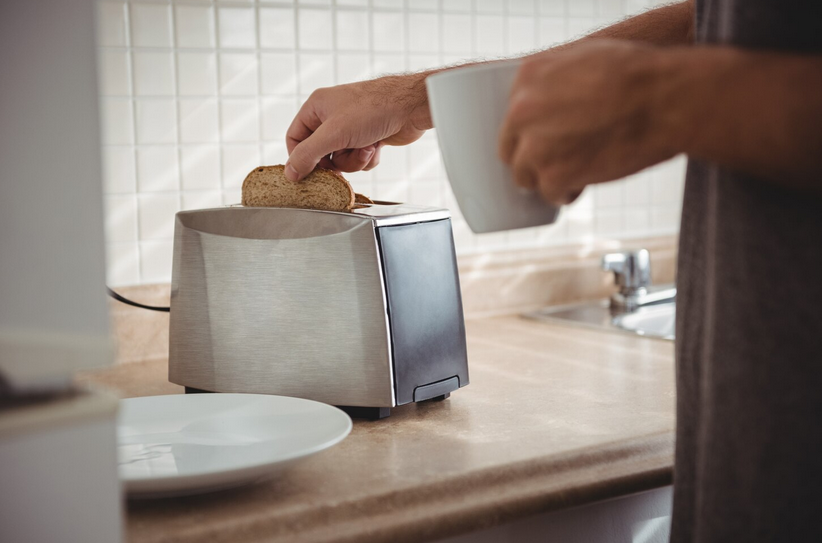
A few years ago, a company introduced a toaster that could connect to Wi-Fi and tweet every time someone made toast. The idea was to share the joy of breakfast with friends online, but in reality, who needed a toaster that broadcasted their bread-burning habits? While the gadget technically worked, it addressed a problem that nobody had: the inability to share toast status digitally. It became more of a conversation piece than a kitchen essential, proving that just because you can connect a toaster to the internet doesn’t mean you should.
Umbrellas With Built-In GPS
Another odd invention targeted people who might “forget where they left their umbrella.” The solution? A GPS-enabled umbrella that lets you track it via an app. While clever in theory, it addressed a problem most people solve by simply remembering to bring or return an umbrella. Despite the practicality of GPS in other contexts, this product’s audience was extremely niche, leaving it as more of a novelty than a widely adopted tool.
The Self-Stirring Mug

Coffee drinkers know the struggle of mixing sugar or cream, but does it really need a battery-powered, self-stirring mug? Some tech companies thought so, creating mugs with tiny motors to keep beverages stirred automatically. While it technically works, the “problem” it solves is minimal. A spoon or a gentle swirl with a finger accomplishes the same thing without batteries. Still, the self-stirring mug captured imaginations and became a fun gadget for office desks everywhere.
Smart Forks for Slower Eating
One of the more peculiar inventions came in the form of a fork designed to monitor how quickly you eat. The idea was to promote mindful eating and prevent overeating by vibrating if you were eating too fast. While the intention was health-oriented, the reality is that most people don’t need a fork to remind them to slow down. It’s another example of tech tackling a problem that isn’t truly pressing, yet it sparked conversations about how far devices can go to monitor personal habits.
The Bluetooth-Enabled Toothbrush

Dental hygiene is important, but do we need a toothbrush that connects to an app to track brushing habits? Some companies launched Bluetooth-enabled toothbrushes that provide real-time feedback on brushing technique, timing, and coverage. While helpful for children or people with specific dental challenges, most adults already know how to brush their teeth. This tech product ended up solving a problem that only a small subset of users actually had, though it did push the idea of “smart home” into the bathroom.
Tech products that solve problems nobody had are a reminder that innovation isn’t always about necessity—it’s often about creativity, curiosity, and sometimes sheer whimsy. While many of these gadgets never became mainstream, they highlight human ingenuity and our fascination with making life a little “smarter,” even when it isn’t needed. They may not have changed the world, but they certainly made us laugh, think, and occasionally ask ourselves: “Did anyone really need this?” In the end, these over-engineered inventions show that sometimes the journey of technology is just as entertaining as the destination.…